How to make a card game? Here is everything you should know. We will share the materials, sizes, special treatments, technology of card game manufacturing.
1.Card Game Size and shape.
Classified by card size, generally, we have bridge cards (57x89mm), poker cards (63x89mm), mini cards (44x67mm) and tarot cards (70x120mm). Paper Board Games can provide nearly 30 card sizes for customers. Of course, there are also various shapes, including squares and circles. So card game designers can get in touch with card game manufacturers to see if there has already been a model that can best meet the needs based on the characteristics of the game. Existing models are provided free and can thus greatly save production cost. Of course, if the card size is functionally limited, you can also pay for customized moulds.
2.Card Game Material Selection
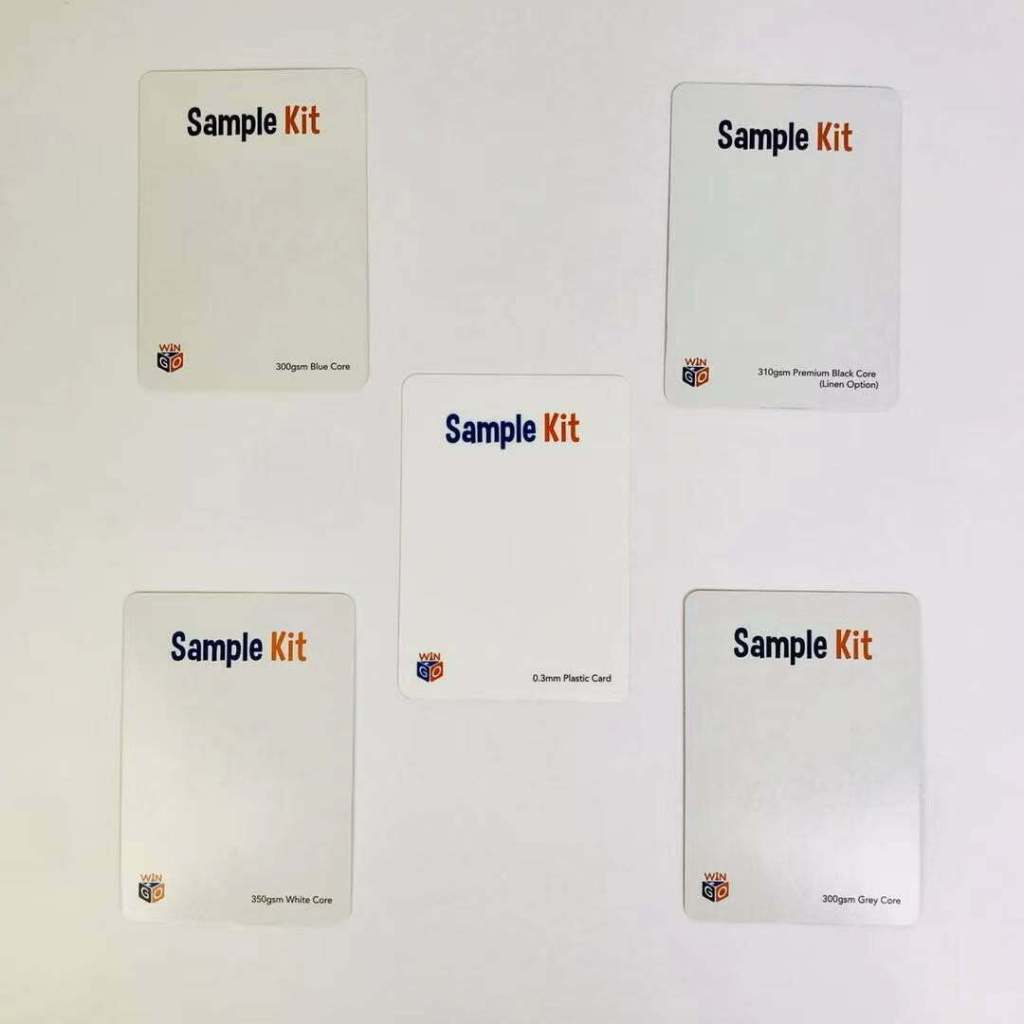
Paper Board Games provides 300g/350g/400g double copper paper, 300g/310g black core paper, 300g blue core paper, and 300g grey core paper. How to choose from so many different materials? In fact, the difference between them lies in their stiffness and thickness. The order of thickness is 310g black core paper>350g double bond paper>300g double bond paper>300g black core paper=300g blue core paper>300g grey core paper. Thicker cards are suitable for game characters, hints and game scenes or used in other occasions that
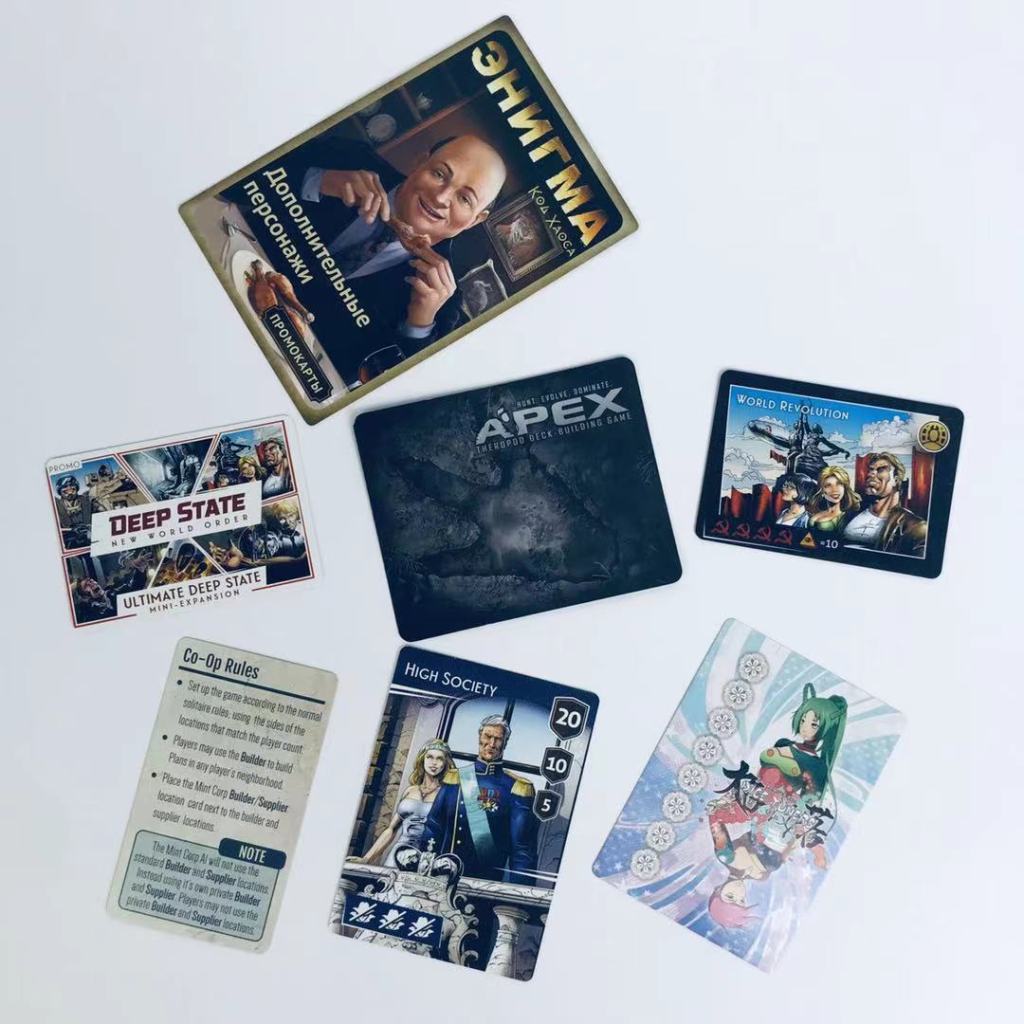
do not require frequent shuffling while the softer and more flexible 300g black core, blue core, and grey core paper are more suitable for cards that require repeated shuffling such as skill cards or resource cards. Of course, in addition to the materials mentioned above, many flashcards are often used for collection and have certain commemorative meanings and PVC cards that are waterproof, dirt-resistant and not easy to wear. In terms of cost, the prices of cards of different materials are also different. Designers can fully communicate with the manufacturer during the selection stage, and choose according to the characteristics of the game.
3.Card Game Printing and Production.
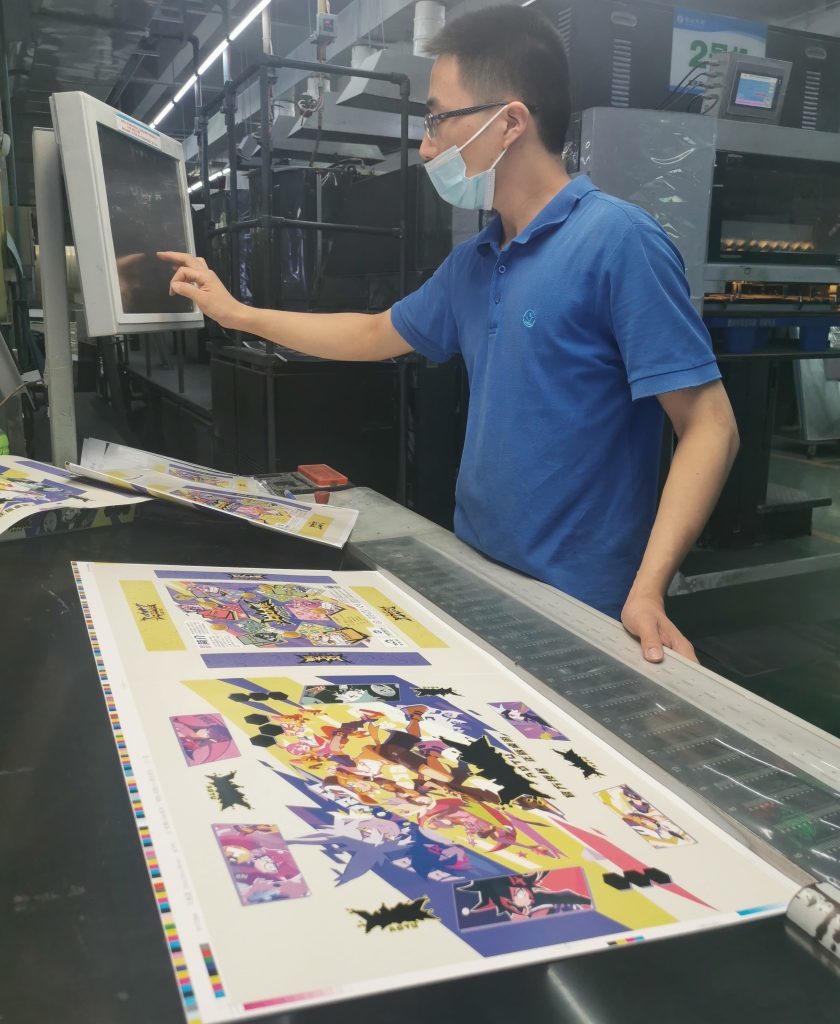
Printing card game is more than grabbing a bundle of cards and pulling it out from the machines. In fact, in the beginning, the game cards are arrayed on one page in computers by our card game artwork engineers through software.
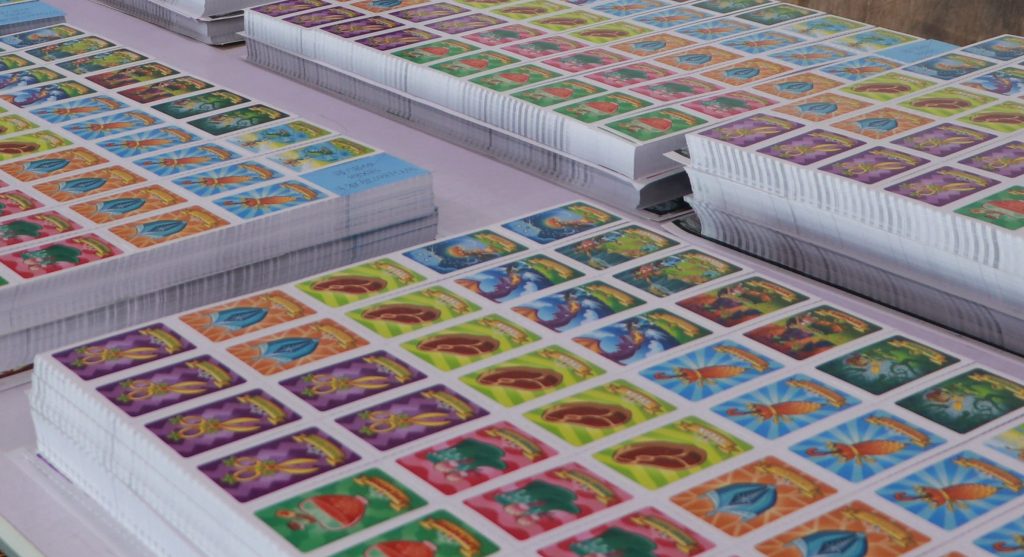
This is a simple, rote task and very error-prone. Therefore, before publishing and printing the card game, Paper Board Games will review their jobs to ensure that the number of cards and the artwork used is consistent with the customer’s needs. Chief card game printing technician will manage and adjust the printing process from A to Z. Printed papers will be taken out frequently for colour comparison to ensure the stability of the card colour! Therefore, before mass production, Paper Board Games will advise customers to make a set of digital samples to ensure the accuracy of colour output and provide references to printers when adjusting printing parameters.
4.Card Game Surface treatment.
Due to the particularity of the game card itself, the surface must be smooth and highly wear-resistant. Paper Board Games usually uses specially formulated poker oil. It looks shinier, has a certain degree of protection for the paper and is more colour expressive. Although this is a fully automated process, card game printing technician in the charge of it must be highly experienced too. The viscosity of the poker oil, speed of the machine, temperature and pressure must be well controlled to ensure that all cards are consistent in touch.Adding lines to the card is undoubtedly a further improvement of the texture. Lines will be applied after poker oil.
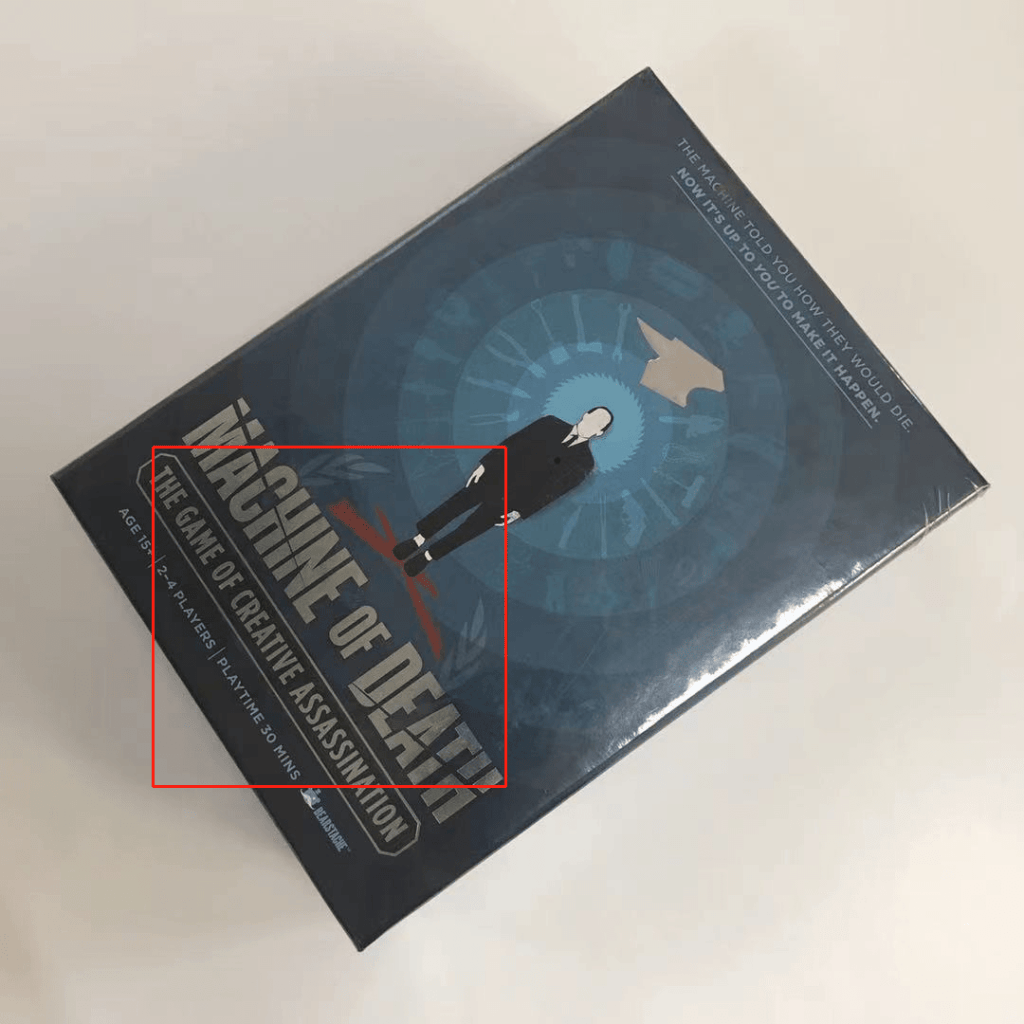
Steel shaft presses lines to the surface of the game card through machine roller. Lines on game cards can make cards more beautiful and improve the handfeel when they play the cards. Of course, this process also has its drawbacks. In the previous article about cutting, we mentioned that it is impossible to avoid stretches and contraction of the paper due to pressure in production, which causes the image of the cards to slightly deviate. However, deviations can be visually neutralized by adjusting the card game artwork. There are special treatments such as foil stamping or partial UV oil application (partial glazing), etc., which will make the card more dazzling and more personalized. Of course, the price is also high. Designers can propose to the card game manufacturer when necessary.
5.Card Game Packing and so on.
After finishing the surface treatment, pieces of cards will be cut out one by one and stacked up in the predetermined order by machine and manual card picking. The embryonic form of the card is already out, but the edges and corners are not the final versions. This process seems simple, but it is where Paper Board Games’s pursuit of quality and professionalism can be seen. How to control the accuracy of cutting and how to ensure the correctness of the sum of cards constitute a strict test for manufacturer’s control process. It also a production stage that ordinary printers cannot finely handle. After manual picking of the cards, through a special hydraulic die-cutting machine together with a sharp steel mould, the game cards will be cut into the correct shape. Smooth edges and rounded corners of the cards are sure to be welcomed by players.
When all the above processes are completed, workers will put the game cards in a plastic bag of appropriate size before they are heat-sealed by machine and sent to the oven conveyor belt for heat shrinking and plastic sealing, so that the cards will not be scattered. At the same time, this process can effectively isolate moisture and dust to ensure the quality of the cards. Speaking of this we must give the workers our compliment as they have to work continuously at high temperature for long hours to ensure the completion of this process.
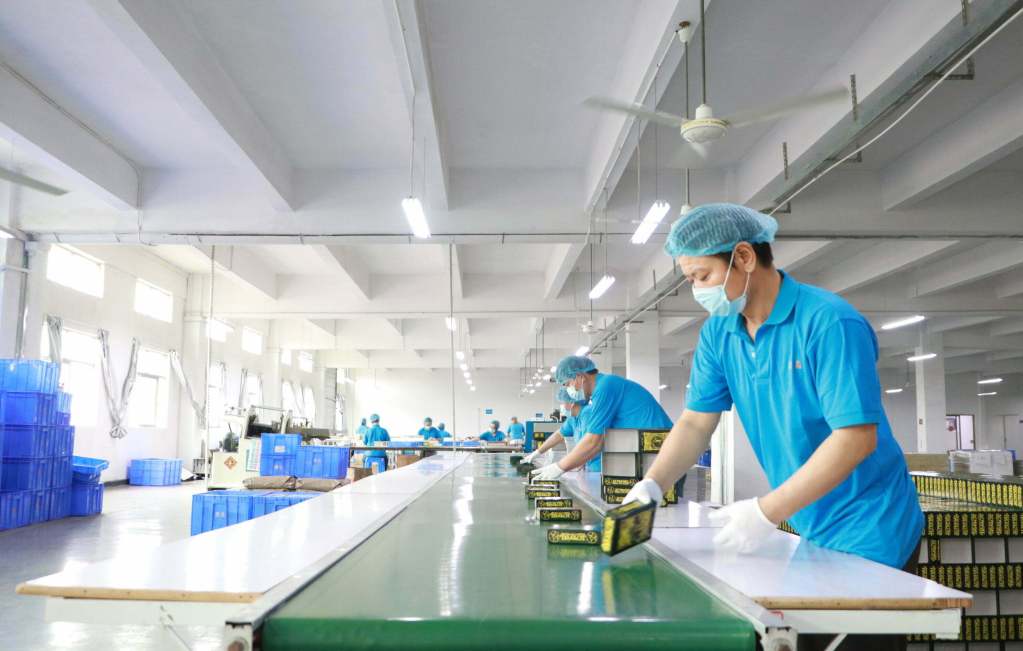
Finally, the entire card game production process will have been completed. The next step will be quality inspection and assemble cards into boxes together with other card game accessories before packaging. Small cards as they may be, they have experienced such complicated stages to come to players’ hands although when people get them, they may not be aware of it. Paper Board Games the board game maker hopes that through this article, everyone can understand that each box of card games comes out from the card game manufacturer’s hard efforts.